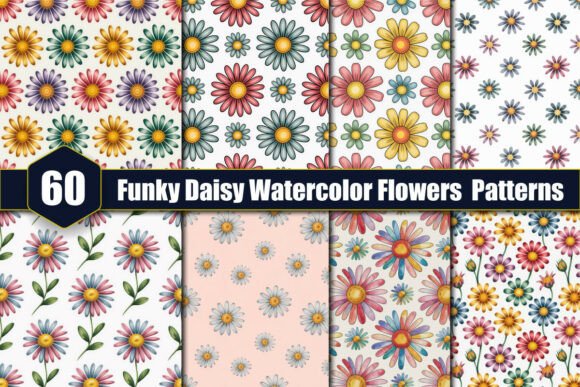
Funky Daisy Watercolor Flowers Patterns: A Versatile Asset for Modern Creators
Designing high-quality visuals often feels like a balancing act between aesthetic appeal and technical precision. For many creators, entrepreneurs, and hobbyists, the gap between having a great idea and executing it professionally can be bridged by the right digital assets. This is where Funky Daisy Watercolor Flowers Patterns steps in as a practical solution. It offers a blend of artistic charm and technical reliability, designed to fit seamlessly into a wide variety of projects without requiring advanced graphic design skills.
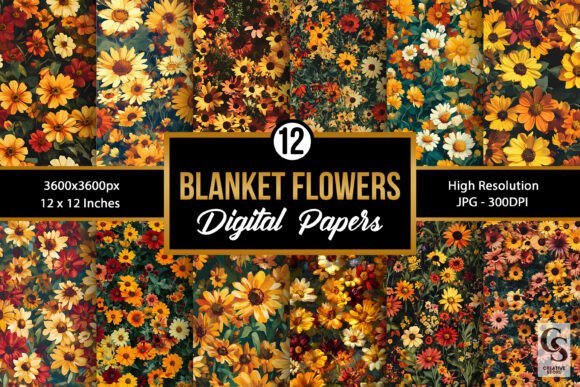
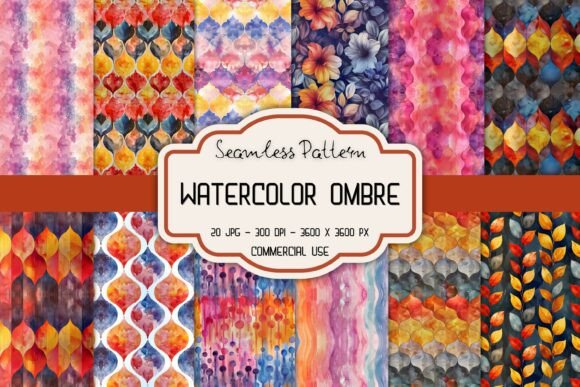
At its core, this asset is a collection of AI-generated watercolor flower patterns that have been refined to meet professional standards. While the origin involves artificial intelligence, the output quality is distinctively high. The files are provided in JPG format at 300 dpi, with dimensions of 12″ x 12″ (3600 x 3600 px). These specifications are not just arbitrary numbers; they represent a standard that ensures crisp printing and clear display across various media. Whether you are preparing a physical invitation or designing a blog header, understanding how these specific qualities translate to real-world use is key to getting the most out of the download.
Why Quality and Format Matter in Digital Downloads
When browsing marketplaces for digital art, it is easy to get caught up in the visual preview alone. However, the technical details determine whether an image will serve your project well or cause frustration during production. The Funky Daisy Watercolor Flowers Patterns come in JPG format, which is universally compatible with almost every design software, word processor, and web platform. Unlike some proprietary formats that require specific tools, a JPG opens instantly on any device, making it accessible for users who may not be power users of Adobe Creative Cloud or other expensive suites.
The resolution of 300 dpi is particularly crucial for anyone planning to print their work. In the world of print, lower resolutions often result in pixelated, blurry edges—especially noticeable in detailed elements like flower petals and leaves. By providing images at 3600 x 3600 pixels, this pattern allows for significant flexibility. You can resize the image down for social media thumbnails or keep it large for full-page backgrounds without losing clarity. This scalability means you are essentially buying one file that can serve multiple purposes, saving time and storage space.
Real-World Applications for Personal Projects
For hobbyists and crafters, the appeal of watercolor aesthetics lies in their organic, hand-painted feel. They add warmth and personality to items that might otherwise look mass-produced. Here is how individuals commonly integrate these patterns into their personal lives:
- Invitations and Stationery: Planning a wedding, baby shower, or birthday party? The soft hues of the daisy flowers create an elegant backdrop for text overlays. Because the image is high-resolution, you can print custom invitations at home or send them to a professional printer with confidence that the colors will remain vibrant.
- Scrapbooking and Memory Keeping: If you document family events digitally or physically, these patterns make excellent digital journaling cards or background layers for digital scrapbooks. They provide a cohesive theme without overwhelming the photos you place on top.
- Home Decor and Wallpapers: Use the 12″ x 12″ square as a tileable texture for digital wallpapers on phones or tablets. Alternatively, if you have access to a large-format printer, you can create decorative hang tags for gift boxes or even small-scale wall art prints.
- Craft Enhancements: For those who enjoy decoupage or paper crafting, these images can be printed and cut into shapes. The high DPI ensures that when you glue these pieces onto journals, boxes, or frames, the details remain sharp rather than fuzzy.
Professional and Commercial Use Cases
Entrepreneurs, freelancers, and small business owners often need visual content quickly but lack the budget for custom illustration commissions. Funky Daisy Watercolor Flowers Patterns offer a cost-effective alternative that still looks bespoke. The versatility of the design allows it to adapt to various brand identities, from bohemian boutiques to modern educational platforms.
E-commerce and Packaging
If you sell handmade goods, wrapping paper is a powerful branding tool. Instead of generic store-bought paper, you can print custom wrapping paper featuring this pattern. It adds a touch of luxury and thoughtfulness to every order, encouraging customers to share their unboxing experience on social media. Similarly, these patterns work beautifully for product labels, hang tags, and thank-you cards included in shipments.
Digital Marketing and Content Creation
Bloggers and marketers constantly struggle with finding unique headers and featured images. Using this pattern as a background for text-heavy graphics can elevate the visual hierarchy of a post. For instance, a fitness coach could overlay workout tips on a section of the flower pattern, creating a visually engaging carousel for Instagram. Educators can use the same asset to create colorful worksheets or presentation slides that capture student attention without distracting from the learning material.
Web Design and Branding
While the primary format is JPG, the clean nature of the watercolor style makes it suitable for subduing busy website sections. Web designers can use it as a subtle texture behind call-to-action buttons or in sidebar widgets. Its neutral yet cheerful palette tends to complement a wide range of color schemes, making it a safe choice for businesses aiming for a friendly, approachable vibe.
Navigating AI-Generated Art with Confidence
It is important to address the fact that this is an AI-generated design. In recent years, skepticism toward AI art has grown, with concerns about originality and quality. However, the description notes that the image quality is very good. This suggests that the AI generation was likely followed by rigorous editing or selection processes to ensure coherence and aesthetic appeal. For the end-user, this distinction matters less than the final utility of the file.
When considering using AI-generated assets, it is wise to review the licensing terms provided by the seller. Typically, digital downloads allow for both personal and commercial use, but restrictions may apply regarding resale as a standalone digital file. Always ensure that you are using the pattern as intended—as part of a larger creative project rather than simply redistributing the raw image. This approach respects intellectual property norms while maximizing the value you receive.
Practical Tips for Best Results
To get the most out of Funky Daisy Watercolor Flowers Patterns, consider these practical steps before you start designing:
- Check Your Color Profile: If you are printing, ensure your design software is set to CMYK mode to match the ink capabilities of your printer. Screens use RGB, which can sometimes appear brighter than printed results.
- Layering Techniques: Don’t let the pattern dominate. Use opacity settings in your design tool to fade the flowers slightly so that text remains readable. This creates depth and professionalism.
- Resizing Wisely: Although the image is 3600 pixels wide, avoid stretching it beyond its original aspect ratio. If you need a different shape, crop the image rather than distorting it to maintain the integrity of the flower shapes.
- Backup Your Files: Since this is a digital download, save the original high-resolution file in a secure location. You never know when you might need to reprint a batch of cards or update a website banner years later.
Ultimately, the value of Funky Daisy Watercolor Flowers Patterns lies in its ability to simplify the creative process. By providing a high-quality, ready-to-use asset, it removes the barrier of needing to draw from scratch. Whether you are a seasoned designer looking for quick textures or a beginner wanting to add polish to your first project, this pattern offers a reliable foundation for creativity. It bridges the gap between imagination and execution, allowing you to focus on the message you want to convey rather than the mechanics of creating the background.