Cottage Navy Pink Patterns: A Comprehensive Evaluation for Designers
In the realm of digital design and crafting, visual aesthetics play a pivotal role in capturing audience attention and conveying specific moods. Among the various stylistic trends available, Cottage Navy Pink Patterns have emerged as a distinct category that blends traditional charm with modern versatility. This collection is characterized by its use of deep navy blues paired with soft pinks, creating a contrast that is both striking and soothing. For designers, scrapbookers, and textile artists seeking to infuse their projects with timeless elegance, understanding the nuances of this pattern set is essential before making a selection.
The term "Cottage" in this context refers to a design philosophy rooted in rustic simplicity, vintage nostalgia, and natural motifs. When combined with a navy and pink color palette, it moves away from the overly sweet or childish associations often linked with pink alone, instead offering a sophisticated, classic look. This article evaluates the features, applications, benefits, and limitations of Cottage Navy Pink Patterns to help creators determine if they align with their specific project goals.
Understanding the Visual Composition
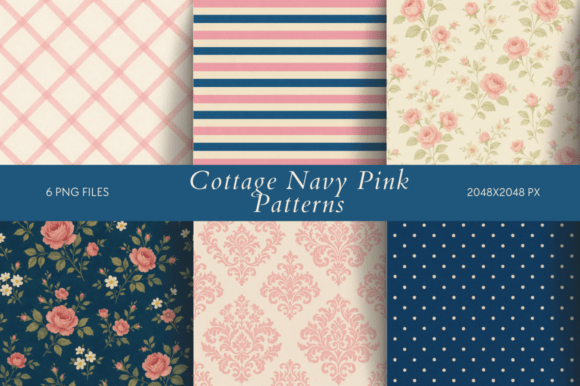
To evaluate these patterns effectively, one must first understand their constituent elements. The collection typically includes a variety of textures and motifs that define the "cottage" aesthetic while maintaining a high-resolution standard suitable for professional output. Key components include:
- Vintage Florals: Delicate flower arrangements that evoke a sense of old-world gardens. These are often rendered in muted tones to prevent clashing with the bold navy background.
- Classic Stripes: Vertical or horizontal lines that provide structure and rhythm to the design. In this palette, stripes often serve as a grounding element against more complex floral prints.
- Polka Dots: A playful yet retro motif that adds texture without overwhelming the eye. The size of the dots can vary, allowing for different levels of visual density.
- Damask Motifs: Intricate, symmetrical designs that add a layer of luxury and formality. Damask patterns work well when a project requires a touch of elegance beyond simple cottage charm.
- Lattice Textures: Geometric interlacing patterns that suggest fencing or woven materials, reinforcing the rustic, outdoor theme associated with cottage styles.
A critical technical specification of this collection is the resolution, typically provided at 2048x2048 pixels. This square format is highly versatile, supporting both print and digital mediums without significant loss of quality. The high resolution ensures that fine details in the florals and damasks remain crisp, which is vital for large-format prints like banners or fabric rolls.
Primary Applications and Use Cases
The versatility of Cottage Navy Pink Patterns makes them suitable for a wide array of creative endeavors. Evaluating potential use cases helps designers decide whether this specific aesthetic fits their brand identity or project requirements.
Stationery and Invitations
One of the strongest fit scenarios for this pattern collection is stationery design. The combination of navy and pink is traditionally associated with weddings, baby showers, and formal events. The navy provides a masculine or neutral anchor, while the pink adds warmth and femininity. This balance makes it ideal for:
- Wedding Invitations: Creating a cohesive look across save-the-dates, invitations, and RSVP cards.
- Baby Showers: Particularly for gender-neutral or "pink and blue" themed celebrations where a softer approach is desired.
- Greeting Cards: Adding a handcrafted feel to digital or physical cards through layered paper effects.
Digital Paper Crafts and Scrapbooking
For digital scrapbookers, these patterns offer ready-made backgrounds that require no additional editing. The 2048x2048 size allows users to crop sections for unique layouts or use the full image as a backdrop. The vintage nature of the motifs pairs well with photos of family gatherings, garden parties, or travel memories, enhancing the nostalgic narrative of the album.
Textile and Product Design
While the patterns are digital, their application extends to physical products. Print-on-demand services allow creators to apply these designs to:
- Fabric: For dresses, quilts, or home decor items like cushions and curtains.
- Packaging: Gift boxes, wrapping paper, and product labels for boutique brands.
- Accessories: Tote bags, scarves, and notebooks.
Evaluating Benefits and Tradeoffs
When considering Cottage Navy Pink Patterns, it is important to weigh the advantages against potential limitations. This balanced view aids in realistic expectation setting.
Benefits
Timeless Appeal: Unlike fleeting trends, the navy and pink combination has remained popular for decades. It does not feel dated quickly, ensuring that designs created today will remain relevant longer than those using neon or hyper-modern palettes.
High Contrast and Readability: Navy is a dark, strong color that provides excellent contrast for white text. This makes these patterns particularly effective for designs that require legible typography, such as event schedules or recipe cards.
Versatility Across Mediums: Because the resolution is high and the colors are standard (CMYK/RGB compatible), these patterns transition smoothly between screen and print. There is minimal risk of color shifting or pixelation.
Tradeoffs and Considerations
Niche Aesthetic: The "cottage" style is specific. If a designer is working on a tech startup website, a minimalist corporate presentation, or a modern art portfolio, these patterns may feel out of place. They carry connotations of tradition, romance, and nature, which may clash with sleek, futuristic, or industrial themes.
Complexity Management: With motifs like damask and detailed florals, there is a risk of visual clutter. If the pattern is too dense, it can distract from the primary content, such as a photograph or a key message. Designers must carefully choose lighter patterns for backgrounds and reserve heavier ones for focal points.
Color Sensitivity: While navy and pink are generally harmonious, the specific shade of pink matters. Some collections may lean towards hot pink, which can feel aggressive, while others may use blush or dusty rose, which feels softer. Evaluators should review samples to ensure the tone matches their intended mood.
Situational Fit: When to Choose and When to Look Elsewhere
Deciding whether to use Cottage Navy Pink Patterns depends largely on the target audience and the emotional response the creator wishes to elicit.
Strong Fit Scenarios:
- Projects targeting women aged 25–65 who appreciate traditional aesthetics.
- Events centered around nature, spring, summer, or heritage themes.
- Brands focused on handmade, artisanal, or eco-friendly products.
- Personal projects like journals, diaries, or gift sets.
Alternative Considerations:
If the goal is to convey innovation, speed, or urban sophistication, alternatives such as geometric abstracts, monochromatic schemes, or vibrant gradient patterns might be more appropriate. Similarly, if the project requires a completely neutral palette, a grayscale or earth-tone collection would be a better fit than one introducing pink.
Practical Decision-Making Insights
Before integrating these patterns into a workflow, consider the following practical steps:
- Check Licensing: Ensure the usage rights allow for your intended purpose, especially if selling finished products. Commercial licenses often differ from personal use licenses.
- Test Print Samples: Digital screens display colors differently than printed materials. Print a small section to verify that the navy remains dark enough and the pink retains its vibrancy.
- Layering Strategy: Plan how the pattern will interact with other elements. Using solid navy blocks alongside patterned sections can create balance and prevent visual fatigue.
- Typography Pairing: Select fonts that complement the vintage feel. Serif fonts or handwritten scripts often pair best with cottage-style patterns, whereas sans-serif fonts may create a jarring contrast unless used intentionally for a modern twist.
In conclusion, Cottage Navy Pink Patterns offer a robust solution for designers seeking to add elegance and nostalgia to their work. By understanding their composition, applications, and limitations, creators can make informed decisions that enhance the overall quality and appeal of their projects. Whether for a wedding invitation or a textile line, this collection provides a reliable foundation for timeless design.