Geometric Psychedelic Patterns: Unlocking Visual Potential
In the ever-evolving landscape of digital design, few aesthetic movements capture the imagination quite like geometric psychedelic patterns. This style is not merely a visual trend; it is a complex interplay of mathematics, color theory, and artistic expression that has roots in the cultural shifts of the 1960s while remaining highly relevant in modern graphic design. For creators, business owners, and hobbyists alike, understanding the nuances of these patterns can unlock new avenues for creative expression and brand differentiation.
The core appeal of this genre lies in its ability to balance order with chaos. On one hand, there are strict geometric rules governing symmetry, repetition, and structure. On the other, the "psychedelic" element introduces vibrant, often clashing colors and organic distortions that evoke movement and depth. When you encounter a resource described as a zip file with EPS JPG – 3000 x 2000 px – 300 dpi, you are looking at a high-fidelity toolkit designed to bring this balance to your projects without the need for creating every vector from scratch.
Understanding the Aesthetic: Structure Meets Surrealism
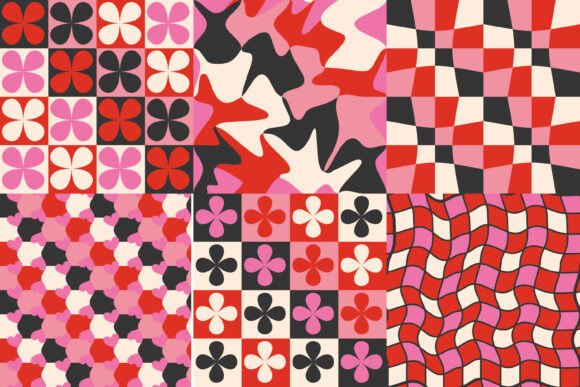
To truly appreciate geometric psychedelic patterns, one must look beyond the surface-level vibrancy. These designs are built on foundational shapes—squares, circles, triangles, and hexagons—that serve as the skeleton of the composition. However, unlike rigid corporate Memphis art or minimalist Swiss design, these geometric forms are manipulated to create optical illusions, moiré effects, and rhythmic flows.
The inclusion of floral elements adds a layer of organic softness to the hard edges of geometry. Imagine sharp squares intertwined with blooming flowers, or abstract petals fracturing into pixelated grids. This juxtaposition creates a dynamic tension that keeps the viewer’s eye moving across the canvas. It is a visual language that speaks to both the analytical mind (through geometry) and the emotional mind (through color and organic forms).
For professionals, recognizing these characteristics is crucial. Whether you are designing a concert poster, a textile print, or a website background, knowing how to leverage the contrast between structured geometry and fluid psychedelia can elevate a mundane layout into something memorable.
The Practical Value of High-Resolution Design Assets
When sourcing assets for creative projects, quality is paramount. The specification of 3000 x 2000 pixels at 300 DPI indicates that these patterns are print-ready. Digital screens typically operate at 72 or 96 DPI, meaning a standard web image might look crisp on a monitor but appear blurry or pixelated when printed on a t-shirt, poster, or brochure. By utilizing assets at 300 DPI, designers ensure that their work maintains clarity and detail regardless of the output medium.
Furthermore, the availability of files in both EPS and JPG formats within a single zip file offers significant flexibility:
- EPS (Encapsulated PostScript): This vector format allows for infinite scalability. You can resize a pattern from the size of a postage stamp to the side of a building without losing any quality. This is essential for professional printing and large-format displays. It also allows designers to edit individual elements, change colors, or manipulate paths using software like Adobe Illustrator.
- JPG (Joint Photographic Experts Group): This raster format is ideal for quick previews, web usage, and applications where vector editing is not required. It ensures compatibility across a wide range of software platforms, from simple photo editors to advanced design suites.
Having both formats in one package streamlines the workflow. A designer can start with the JPG for rapid prototyping and then switch to the EPS for final production, saving time and reducing technical friction.
Who Benefits from Geometric Psychedelic Patterns?
The versatility of these patterns makes them valuable to a diverse audience. Here is a breakdown of who stands to gain the most from integrating geometric psychedelic patterns into their work:
Graphic Designers and Art Directors
For professionals, these patterns serve as powerful accent elements. They can break up white space, draw attention to call-to-action buttons, or provide a thematic backdrop for editorial layouts. The complexity of the design allows designers to add texture and interest without cluttering the overall composition, provided they are used strategically.
Fashion and Textile Designers
The fashion industry has long been a playground for psychedelic aesthetics. From the hippie era to modern streetwear, geometric patterns paired with floral motifs translate beautifully to fabric. High-resolution assets ensure that the intricate details of the pattern remain visible even when scaled up for full-length garments or repeated across yards of material.
Event Planners and Print Specialists
Concerts, festivals, and art exhibitions often rely on bold visual identities. A zip file containing multiple patterns provides event organizers with a cohesive yet varied set of visuals for invitations, banners, stage backdrops, and merchandise. The 300 DPI resolution guarantees that these materials look professional and polished upon physical delivery.
Content Creators and Social Media Managers
In the age of Instagram and TikTok, visual novelty is key. Using unique geometric psychedelic backgrounds for stories, reels, or post templates can help content creators stand out in crowded feeds. The abstract nature of these patterns can also be used to highlight text overlays, ensuring readability while maintaining an edgy aesthetic.
Real-World Applications and Scenarios
To understand the practical utility of these assets, consider a few real-world scenarios:
- Brand Identity Refresh: A coffee shop looking to rebrand from a traditional rustic theme to a modern, artistic vibe might adopt geometric psychedelic patterns for their cup sleeves and wall murals. The use of squares and flowers could symbolize the blend of structured brewing processes with the organic nature of coffee beans.
- Album Cover Art: Musicians in genres like indie rock, electronic, or funk often seek cover art that reflects the energy of their music. A high-res EPS pattern can be manipulated to create a unique, custom cover that captures the listener's attention instantly.
- Web Design Backgrounds: Instead of solid colors, a tech startup focused on creativity might use a subtle, low-opacity geometric psychedelic pattern as a website background. This adds depth and personality to the user interface without distracting from the primary content.
Evaluating Suitability and Best Practices
While geometric psychedelic patterns are versatile, they are not suitable for every project. Their bold nature requires careful consideration to avoid visual overload. Here are some guidelines for evaluating their suitability:
- Context Matters: Assess the tone of your project. Is it playful, energetic, and artistic? If so, these patterns are likely a good fit. Is it serious, corporate, or minimalist? You may want to use these patterns sparingly or choose a more subdued variation.
- Contrast and Readability: Ensure that text remains legible over the pattern. Using semi-transparent overlays or placing text in areas of the pattern with lower density can help maintain readability.
- Color Harmony: While psychedelic patterns often feature vibrant colors, it is important to ensure they align with your brand palette. The EPS format allows you to easily swap out colors to match specific branding guidelines.
- Scalability Testing: Always test the pattern at different sizes. What looks impressive at full scale might become muddy or indistinct when shrunk down for a favicon or small icon.
Conclusion
The integration of geometric psychedelic patterns into modern design projects offers a unique opportunity to blend historical aesthetics with contemporary needs. By leveraging high-quality assets such as those found in a comprehensive zip file with EPS JPG – 3000 x 2000 px – 300 dpi, creators can save time while achieving professional-grade results. Whether you are a seasoned designer seeking inspiration or a business owner looking to inject personality into your brand, understanding the power and application of these patterns is a valuable skill in today’s visually driven world.
As you explore these resources, remember that the goal is not just to decorate, but to communicate. Use the structure of geometry and the freedom of psychedelia to tell your story, engage your audience, and create designs that resonate on a deeper level.