Retro Harmony Patterns
There is a specific kind of magic that happens when you mix the structured comfort of vintage textiles with the bold, unapologetic energy of mid-century modern design. Retro Harmony Patterns captures this exact feeling. It isn’t just a collection of six backgrounds; it is a curated toolkit for anyone who wants to inject a sense of warmth, nostalgia, and playful sophistication into their work without looking like they are trying too hard.
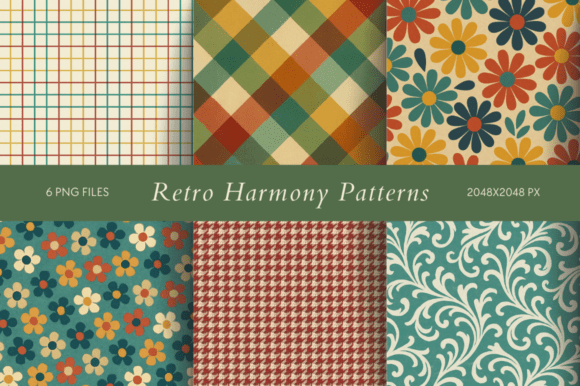
In a digital landscape that often feels sterile or overly minimalist, these designs offer a breath of fresh air. The set features a cohesive palette of teal, mustard, red, and cream—a combination that feels both grounded and vibrant. By blending classic motifs like florals, plaid, swirls, and houndstooth, the patterns create a visual rhythm that is easy on the eyes but impossible to ignore. Whether you are a freelance designer, a small business owner, or someone simply looking to refresh their personal brand, understanding how to leverage these textures can transform ordinary projects into memorable experiences.
Why Texture Matters in Digital Design
We often think of web design and graphic composition in terms of layout, typography, and color theory. But texture? That is where personality lives. Flat colors can feel safe, but they can also feel flat—literally. Adding a subtle pattern introduces depth, inviting the viewer to lean in closer. It creates a tactile sensation even on a screen.
This is where Retro Harmony Patterns shines. Instead of overwhelming a project with loud graphics, these six backgrounds provide a sophisticated layering effect. They act as the "fabric" upon which your content sits. For instance, using a muted houndstooth background behind crisp white text creates an immediate association with classic editorial style, while a soft floral overlay can make a product page feel more organic and approachable. The key here is balance. These patterns are designed to be supportive, not dominant, allowing your primary message to take center stage while adding a layer of aesthetic richness underneath.
Real-World Applications for Creatives and Brands
You might be wondering where exactly these patterns fit into your workflow. The beauty of Retro Harmony Patterns lies in its versatility across different industries and use cases. Here is how different professionals are finding success with them.
Small Business Owners and E-commerce
If you run a boutique shop selling ceramics, handmade jewelry, or vintage-inspired clothing, your visual identity needs to tell a story before the customer even reads a word. A plain white background is functional, but it doesn’t evoke emotion. Imagine a product card for a hand-poured candle. Placing it against one of the teal-based swirl patterns immediately suggests craftsmanship and calm. Alternatively, using the mustard plaid for a sale banner adds a sense of urgency wrapped in cozy familiarity. The warm palette of red and cream works exceptionally well for food-related businesses, evoking the feeling of a rustic kitchen table or a vintage diner menu.
Social Media Content Creators
In the fast-scrolling world of Instagram and Pinterest, standing out requires more than just a good photo. You need consistent branding. Using Retro Harmony Patterns as a template for quote graphics, announcement posts, or story highlights can unify your feed. Because the colors are harmonious, mixing different patterns from the set (like pairing a floral section with a houndstooth border) creates a dynamic yet cohesive look. This consistency builds trust with your audience, signaling that your brand has attention to detail and a distinct point of view.
Event Planning and Stationery
For wedding planners or event coordinators, the demand for personalized, nostalgic aesthetics is high. Couples are moving away from stark modern minimalism toward designs that feel lived-in and loved. These patterns are perfect for digital invitations, save-the-dates, or even backdrop designs for photo booths. The houndstooth element brings a touch of formal elegance, while the florals soften the look, making it suitable for spring weddings or summer garden parties. The ability to scale these vector-friendly backgrounds means they look sharp whether printed on a large banner or viewed on a smartphone screen.
Who Benefits Most from This Set?
While almost anyone can appreciate good design, certain groups will find Retro Harmony Patterns particularly useful.
- Freelance Graphic Designers: If you are constantly searching for unique assets that don’t look like generic stock photos, this set provides a quick way to elevate client proposals. It saves time on creating custom textures from scratch.
- DIY Enthusiasts: For those who use tools like Canva or Adobe Express to create their own marketing materials, having access to professional-grade patterns bridges the gap between amateur and pro results.
- Interior Design Bloggers: Those writing about home decor can use these patterns to visualize mood boards or create engaging headers for articles about retro renovation trends.
Practical Considerations Before You Start
Before diving headfirst into applying these patterns, there are a few practical things to keep in mind to ensure your final result looks polished rather than cluttered.
Contrast is King: The strength of Retro Harmony Patterns lies in its color balance, but readability should never be compromised. If you choose a busy pattern like the plaid or houndstooth, ensure your text has a solid backing or uses a font weight thick enough to stand out. Lighter pastel versions of the patterns work best for backgrounds, while the bolder red and teal options might serve better as accent borders or frames.
Don’t Overpattern: A common mistake in retro styling is mixing too many patterns at once. While it is tempting to use all six designs in a single project, restraint is usually more effective. Pick one dominant pattern for the main background and use the others sparingly for dividers, buttons, or decorative elements. Let the eye rest. The goal is "Harmony," after all, not chaos.
Contextual Relevance: Consider the tone of your message. The teal and cream combinations feel cool and refreshing, ideal for wellness or tech brands looking to add a human touch. The red and mustard tones are energetic and warm, better suited for creative agencies or lifestyle brands. Matching the emotional weight of the pattern to the content you are presenting ensures that the design supports your message rather than distracting from it.
The Enduring Appeal of Vintage Aesthetics
Why do we keep coming back to these styles? There is a psychological comfort in retro design. In a world that changes rapidly, vintage aesthetics offer a sense of continuity and tradition. They remind us of simpler times, of quality materials, and of craftsmanship. When you use Retro Harmony Patterns, you are tapping into that collective nostalgia. You are telling your audience that your brand values longevity over fleeting trends.
Whether you are designing a simple blog post header or a full-scale rebrand for a local cafe, these six backgrounds provide a versatile foundation. They are vibrant enough to grab attention but timeless enough to remain relevant years from now. By integrating these textures into your creative process, you aren't just decorating; you are building a connection. And in the end, that is what great design is all about.